South India’s Cradle of Arts
THANJAVUR
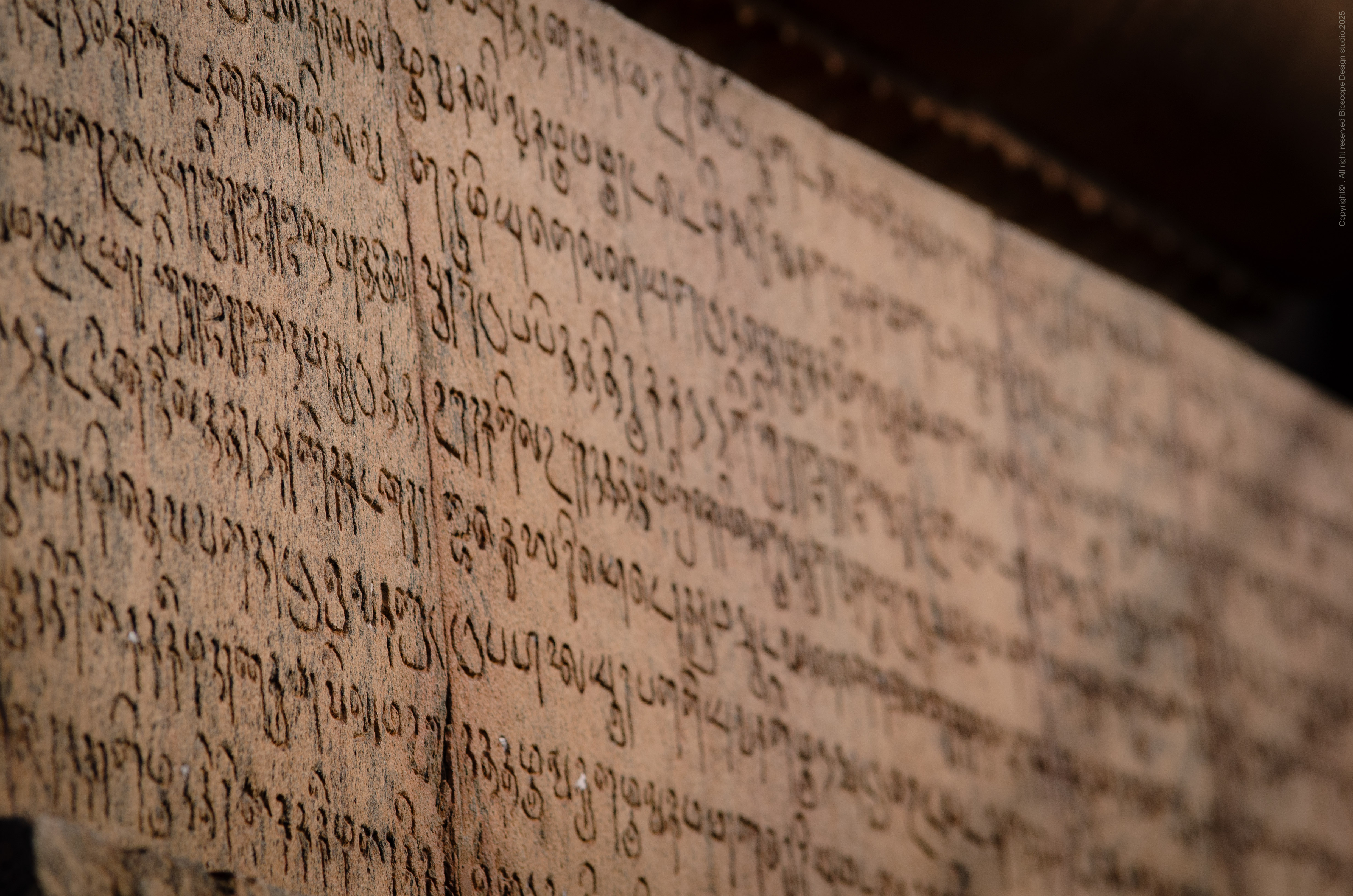
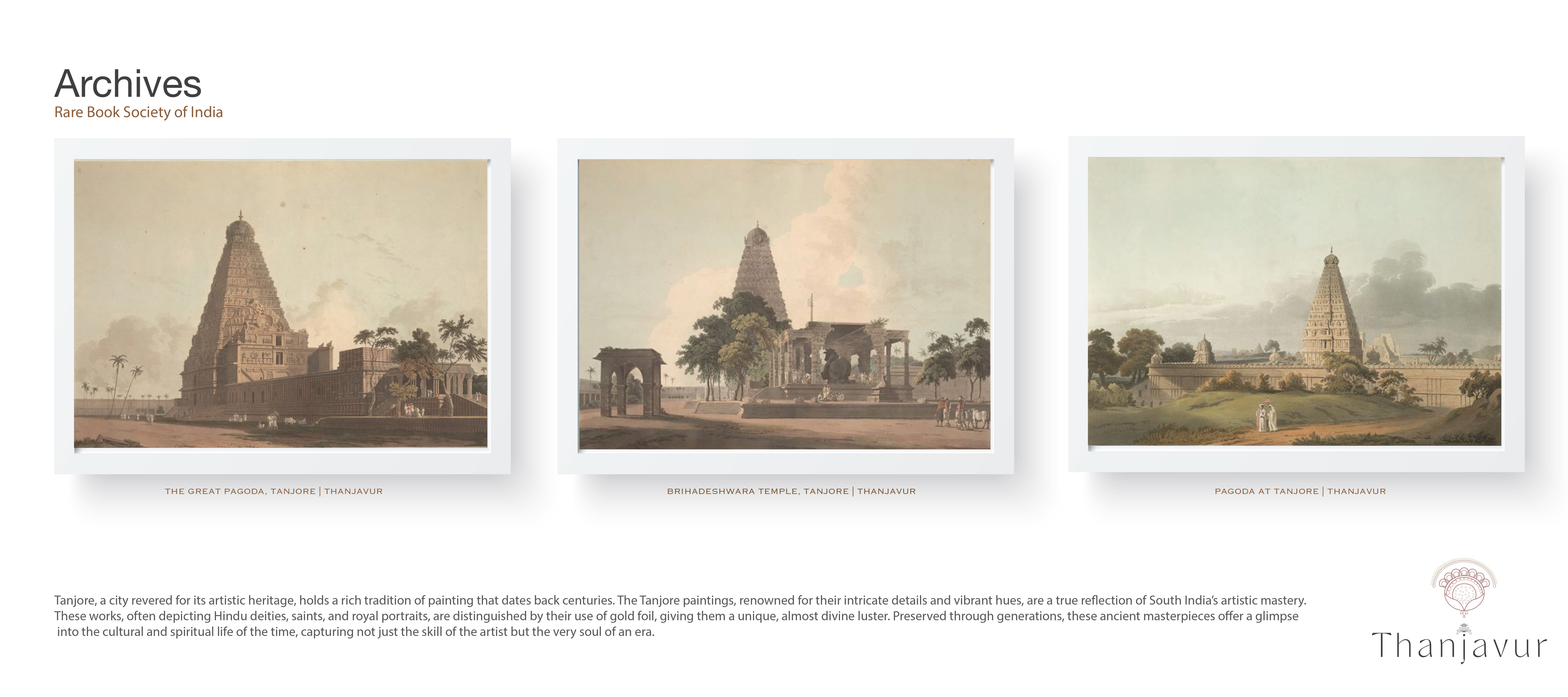
Thanjavur is an ideal location for artists due to its rich cultural heritage and historical significance as a hub for art, music, and dance. The city’s artistic legacy dates back to the 16th century, with the Thanjavur style of painting evolving under the patronage of the Nayakas and Maratha rulers. This art form is characterized by intricate designs, vibrant colors, the use of gold foil, and depictions of Hindu mythological figures, showcasing an unparalleled combination of craftsmanship and devotion.
• Rich Cultural Heritage Thanjavur has been dubbed “South India’s Cradle of Arts,” and is a must-see for anyone interested in South Indian art, music, and dance. One can explore numerous temples, each adorned with exquisite sculptures and frescoes that narrate ancient tales, further enhancing the city’s artistic atmosphere.
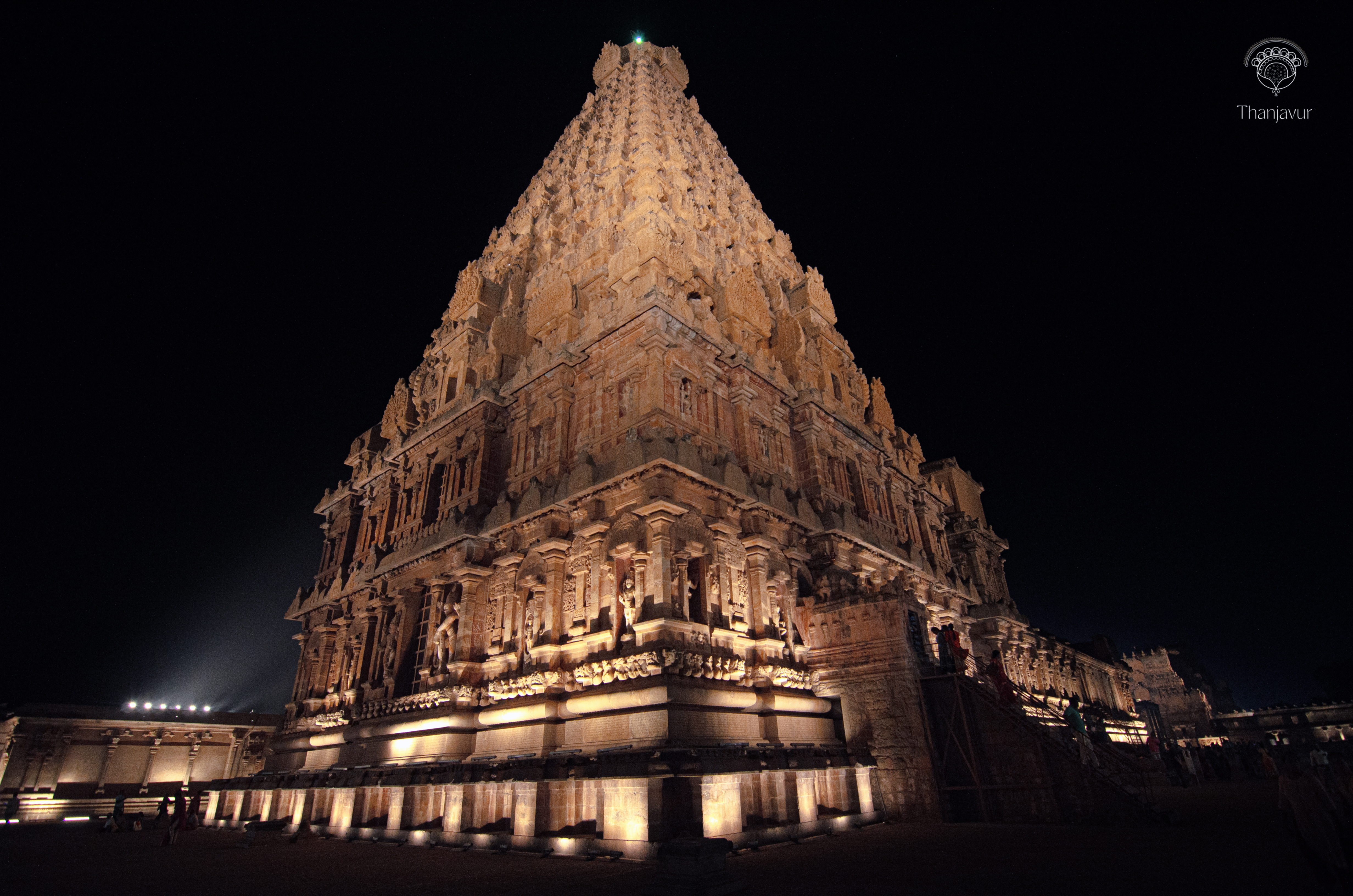
• Historical Significance The city has a unique place in the history of Indian painting, with 11th-century Chola wall paintings in the Brihadeeswarar Temple and paintings from the Nayak period that reflect the evolution of various artistic styles over centuries. Furthermore, the preservation of these artworks offers invaluable insights into the socio-political and religious contexts of the time, thereby enriching the cultural narrative of the region.
• Artistic Inspiration Tanjore paintings draw inspiration from Indian art of the 16th century and depict Hindu gods, goddesses, and saints, often incorporating gems and rich embellishments that elevate their aesthetic appeal. The techniques used in crafting these paintings have been passed down through generations, creating a living tradition that continues to inspire contemporary artists who seek to connect with their cultural roots while adapting to modern expressions.




 Bioscope Design Studio™